Nice, France – September 26, 2025
The Working Group 2 (WG2) meeting was led by Elene Zhuravliova (GE) and Olivier Soriani (FR) and took place in the Salle des Actes du Grand Château du Parc Valrose at Université Côte d’Azur, Nice, France. The meeting brought together a total of 39 participants, with 16 attending in person and 23 joining online.
The overall objective of the meeting was to initiate a structured discussion on the role of Sigma-1 receptor in physiological and pathophysiological contexts. In particular, the group focused on identifying Sigma-1 receptor-associated signaling pathways, interacting partners, and physiological effects of Sigma-1 receptor agonists and antagonists across different disorders and experimental models.
The meeting opened with a series of scientific presentations addressing the involvement of Sigma-1 receptor in key disease areas, including neurodegenerative diseases (T. Maurice (FR)), pain (E. Cobos (ES)), fibrosis (A. Fekete (HU)), cancer (O. Soriani (FR)), and autophagy and proteostasis (C. Behl (DE)). These talks provided a broad overview of current knowledge and highlighted emerging questions across different pathologies.
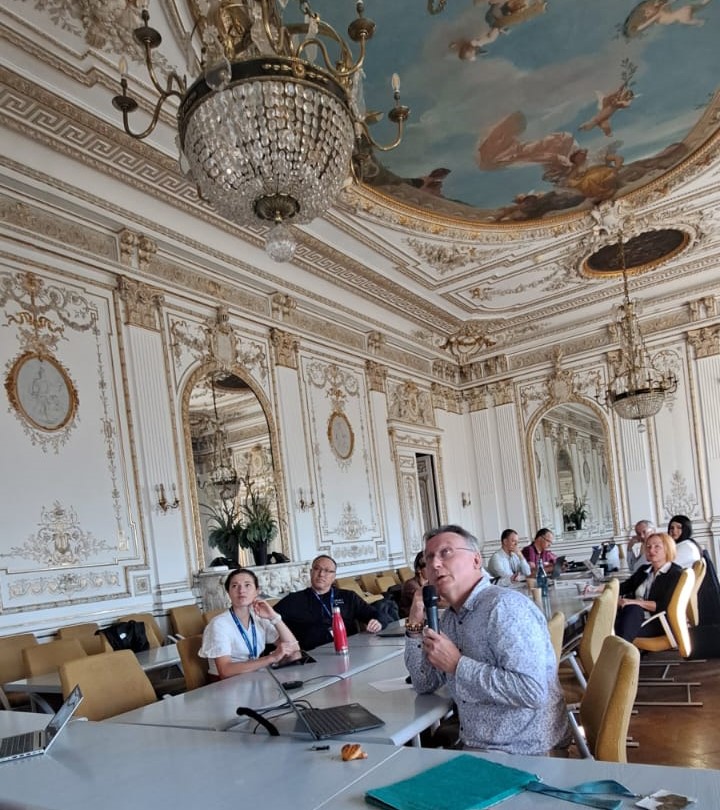
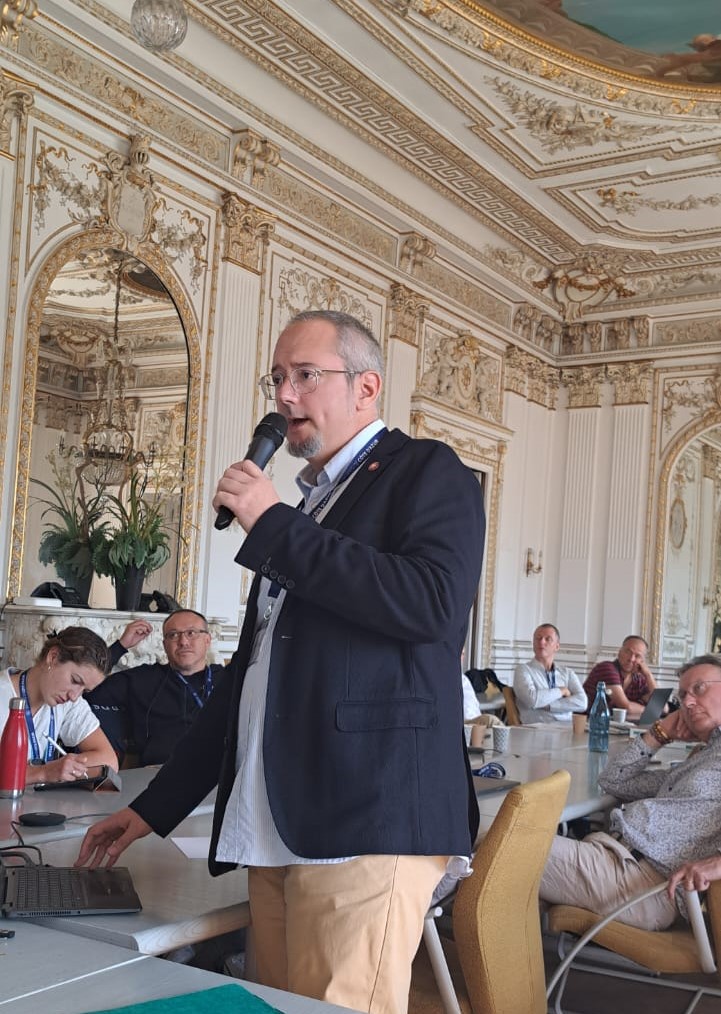
In a second session, several WG2 laboratories presented the experimental techniques and methodological approaches used in their groups to investigate Sigma-1 receptor function in disease contexts. These presentations showcased complementary in vitro, in vivo, and translational strategies and set the stage for collaborative discussions. Results from a survey on WG2 composition and scientific interests were also presented, providing an overview of participating research groups, their expertise, and the tools used to study Sigma-1 receptor in pathological settings.
The afternoon was dedicated to an interactive workshop structured around three main themes:
- the Sigma-1 receptor interactome (led by E. Zhuravliova (GO))
- Sigma-1 recepotor-associated signaling pathways (led by L. Zvejniece (LV)), and
- the effects of Sigma ligands in pathological models (led by K. Pytka (PL))
The workshop was introduced by a presentation (T. Mohr (AT)) providing a brief overview of bioinformatic tools used to reverse-engineer signaling pathways. Discussions on the Sigma-1 receptor interactome focused on major protein families identified as Sigma-1 receptor partners, including endoplasmic reticulum- and mitochondria-associated proteins, ion channels, G protein-coupled receptors (GPCRs), receptor tyrosine kinases, integrins, and other receptors, as well as the potential mechanisms through which Sigma ligands modulate these interactions. For Sigma-1 receptor-associated signaling pathways, participants reviewed altered pathways in neurodegenerative diseases, neuropathic pain, inflammation, cardiometabolic disorders, and cancer, and discussed therapeutic relevance, tissue- and disease-specific ligand effects, and translational potential. The session on Sigma ligands aimed to compile an overview of agonists and antagonists currently used in research, including information on dosing, animal models, targeted tissues, and disease indications.
Finally, participants discussed future activities and agreed on the value of organizing the next WG2 meeting as a full-day, in-person event. A proposal was made to host the next meeting in Tbilisi.

Overall, the WG2 meeting provided a strong foundation for coordinated efforts to clarify the role of Sigma-1 receptor across tissues and diseases, highlighted shared priorities and complementary expertise within the group, and paved the way for deeper collaboration and translational progress through future in-person meetings.