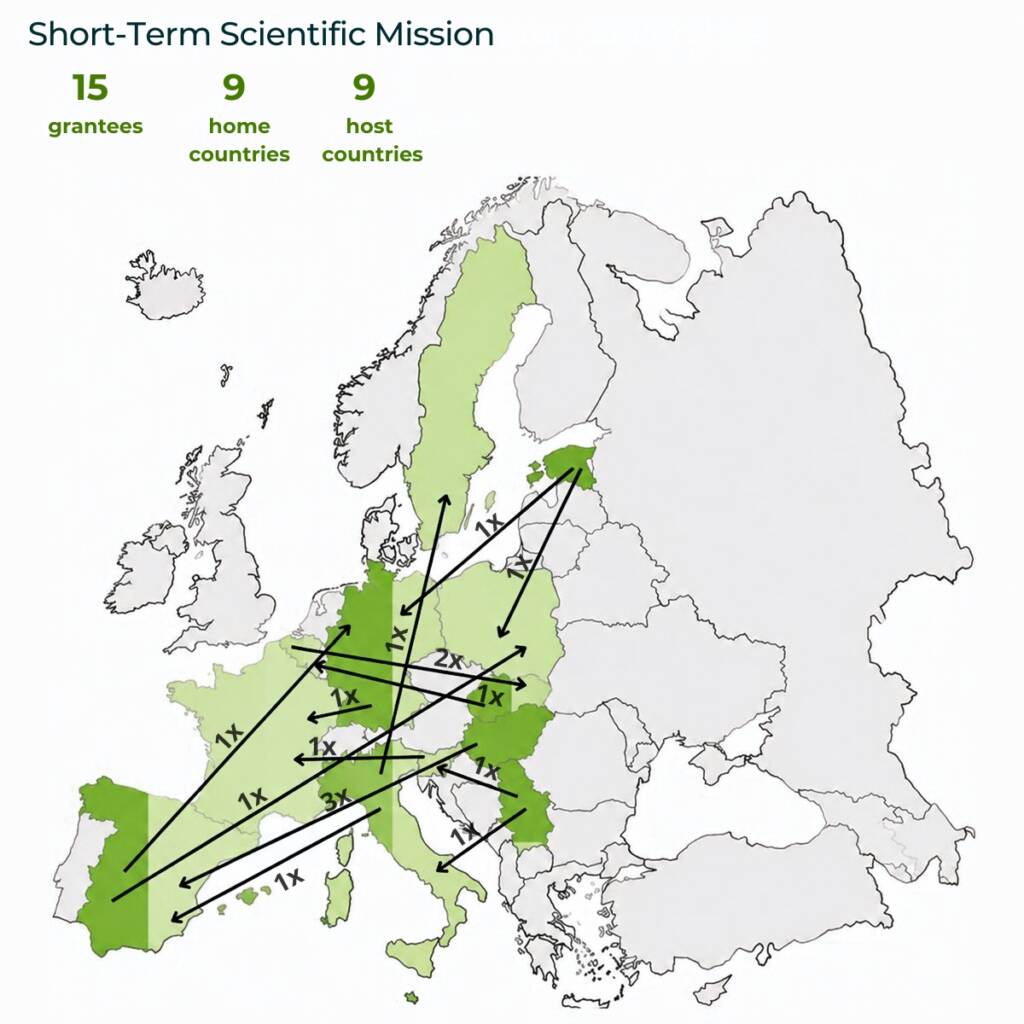
During Grant Period 2, SIGMA-1EUROPE funded 16 Short-Term Scientific Missions involving 15 researchers, with a total budget of EUR 47,542. Grantees came from 9 countries – Belgium, Germany, Hungary, Italy, Latvia, Serbia, Slovakia, Slovenia and Spain – and were hosted by institutions in 9 countries: Belgium, France, Germany, Italy, Poland, Slovakia, Slovenia, Spain and Sweden.
Twelve missions were awarded to young researchers, while nine involved researchers from Inclusiveness Target Countries, who received more than half of the total STSM budget. The missions ranged from a few days to three months and covered a broad spectrum of topics, from drug design and photochemistry to in vivo models, cell biology, and imaging.
Below, some of our grantees share what they worked on during their missions.
Neuronal models and in vivo tools
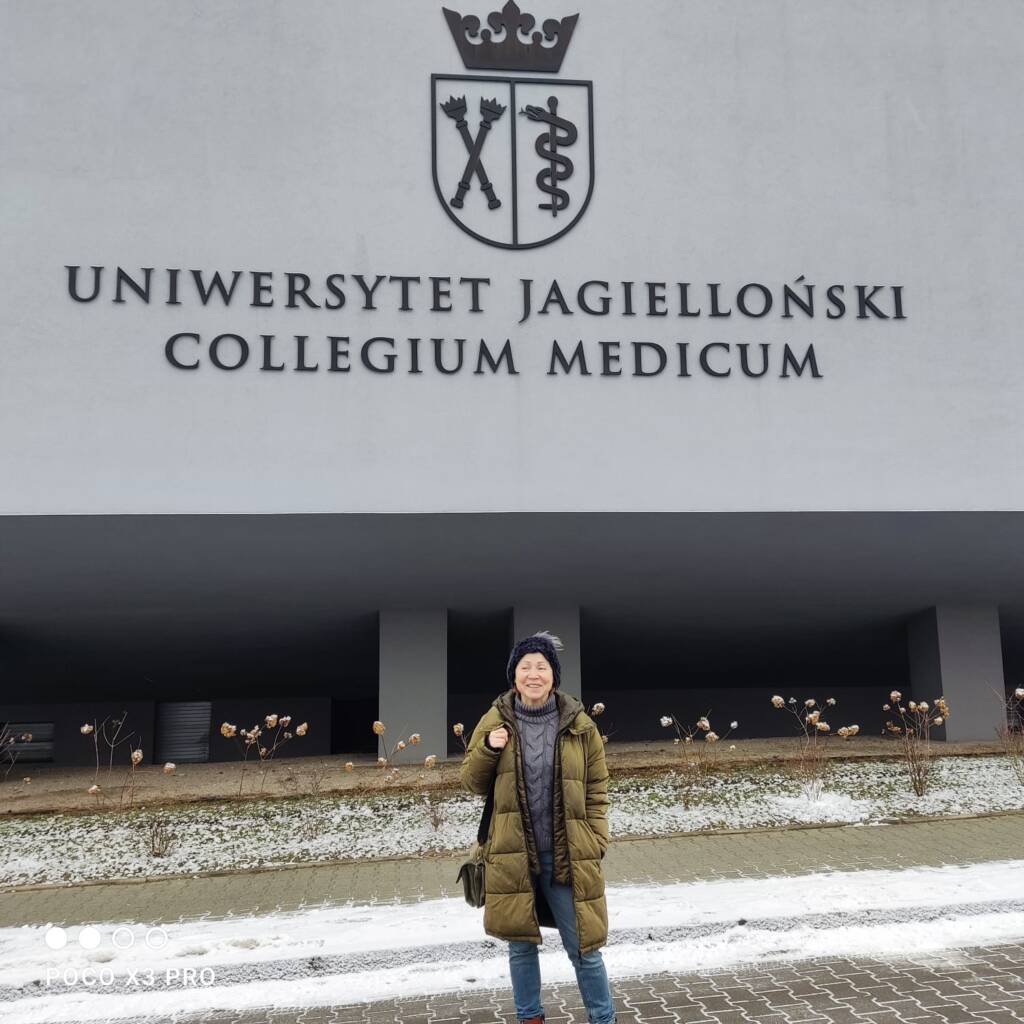
Dr. Līga Zvejniece (Latvian Institute of Organic Synthesis, Latvia) → Jagiellonian University Medical College, Poland
In January 2026, Dr. Zvejniece, Vice-Chair of SIGMA-1EUROPE, joined the Experimental Neuropharmacology Laboratory led by Prof. Karolina Pytka to gain practical experience in the use of adeno-associated viruses (AAVs) in in vivo studies. Her training covered the full workflow, including vector design, serotype and promoter selection, dosing, biosafety, ethical considerations and routes of administration. She also became familiar with approaches used to assess AAV-mediated effects through molecular, histological and behavioral readouts. The visit opened new opportunities for joint research and also included meetings with Animalab on equipment for in vivo studies.
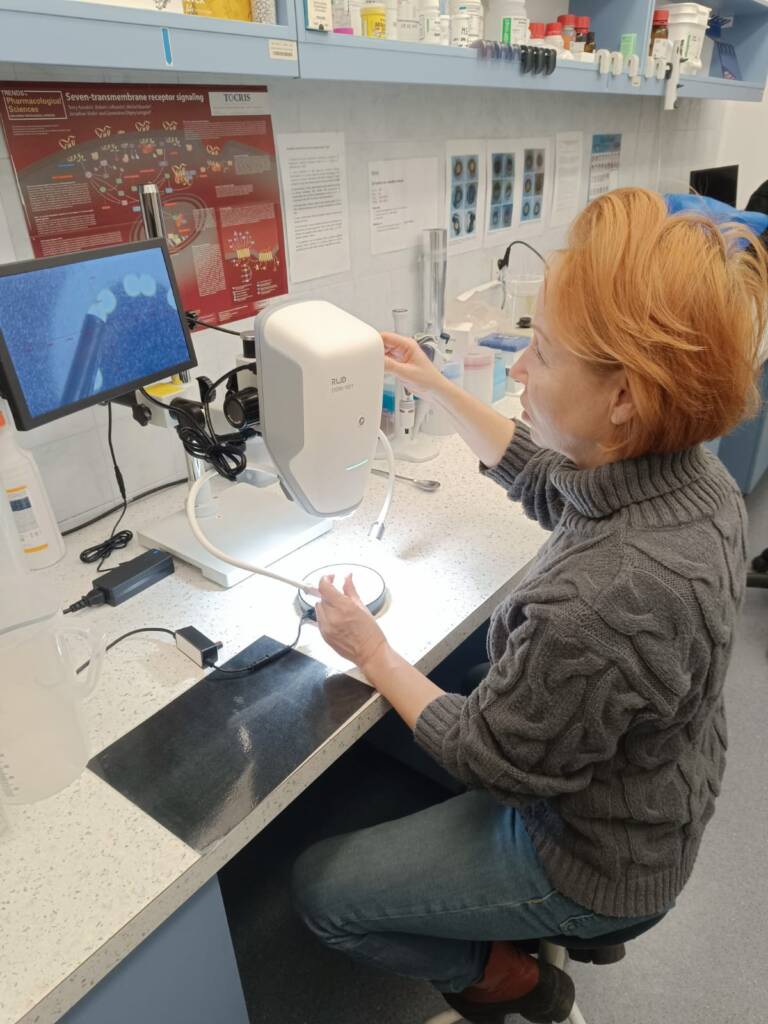
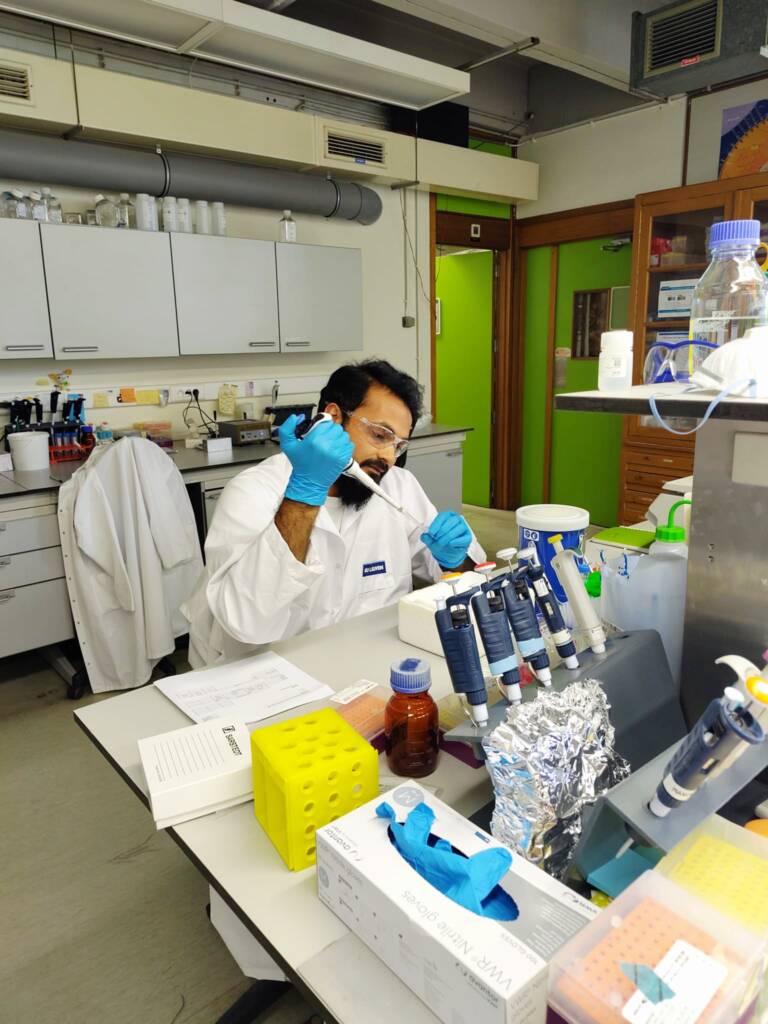
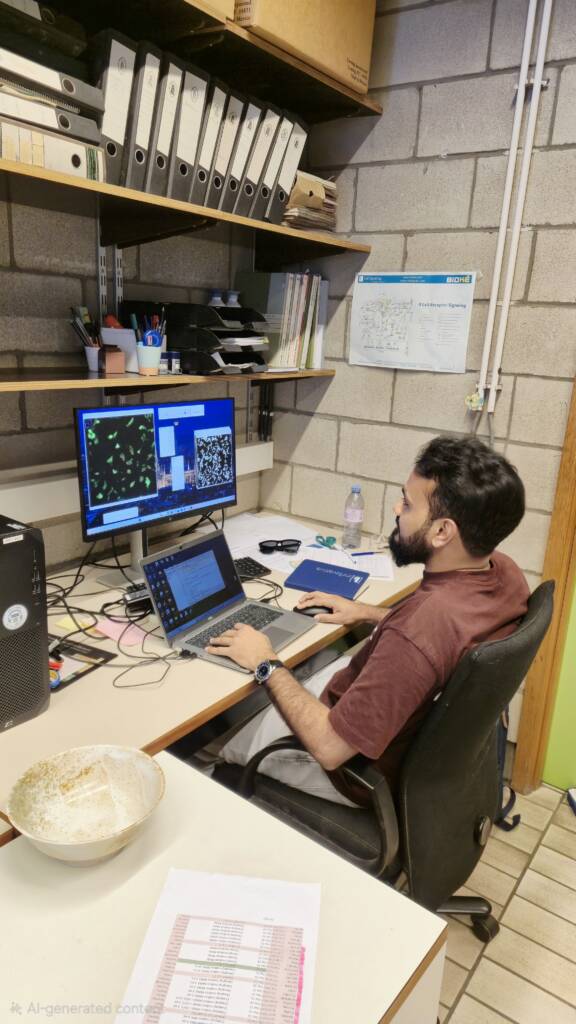
Mohd Adnan (Biomedical Research Center, Slovak Academy of Sciences, Slovakia) → KU Leuven, Belgium
During his stay in the Laboratory of Molecular and Cellular Signaling led by Prof. Geert Bultynck, Mohd Adnan received hands-on training in the differentiation of cortical neurons from human induced pluripotent stem cells (hiPSCs) and in advanced live-cell imaging techniques. The exchange of expertise worked both ways, strengthening cooperation between the two laboratories and supporting their joint research on WFS1-related neuronal dysfunction. The skills and contacts developed during the mission are already contributing to the next stages of the project.
The sigma-1 receptor in cell biology and eye research
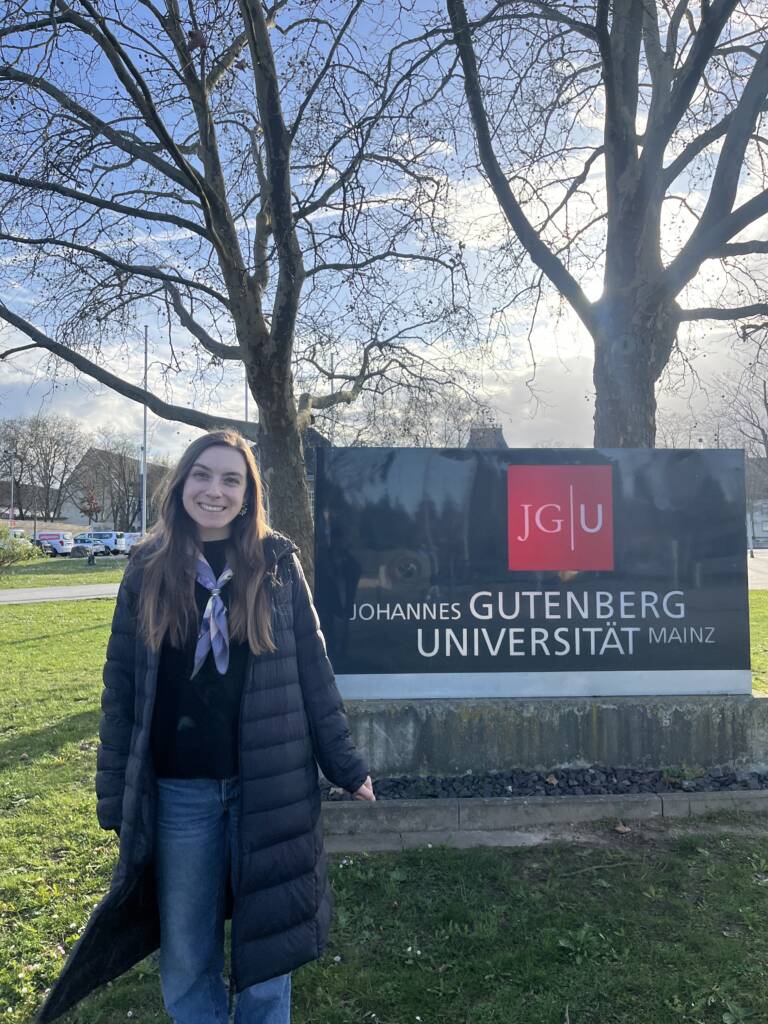
Emma Díaz (National Center for Biotechnology, CSIC, Spain) → University Medical Center Mainz, Germany
In the final year of her PhD research on SIGMAR1, Emma joined the Institute of Pathobiochemistry and the laboratory of Prof. Christian Behl, a leading centre for autophagy research. Working with Dr. Marius Baeken, she investigated novel functions of SIGMAR1 in Golgi-mediated, starvation-induced autophagy. She also gained experience in culturing and differentiating LUHMES cells and in the laboratory’s method for autophagosome isolation. Emma discovered SIGMA-1EUROPE online and applied for the STSM on her own initiative, showing how the Action can reach researchers beyond its existing network and create new scientific connections.
Adam Hosszu (SigmaDrugs Research Ltd, Hungary) → Institute of Neurosciences, Universidad Miguel Hernández, Spain
In March 2026, Adam was hosted in Alicante by the Ocular Neurobiology Group led by Prof. Juana Gallar and Prof. M. Carmen Acosta. He received practical training in mouse models of corneal epithelial wound healing, using both the n-heptanol method and the corneal brush technique. He also learned a microsurgical procedure for inducing dry eye disease and standardized approaches for monitoring corneal healing, including fluorescein staining, imaging and histological analysis.
Back in Budapest, his team plans to establish the dry eye model and use it to evaluate sigma-1 receptor agonists, including a new sigma-1 agonist eye-drop formulation currently under development in their group. The mission also laid the foundations for future joint experiments and publications with the host laboratory.
Medicinal chemistry and photochemistry
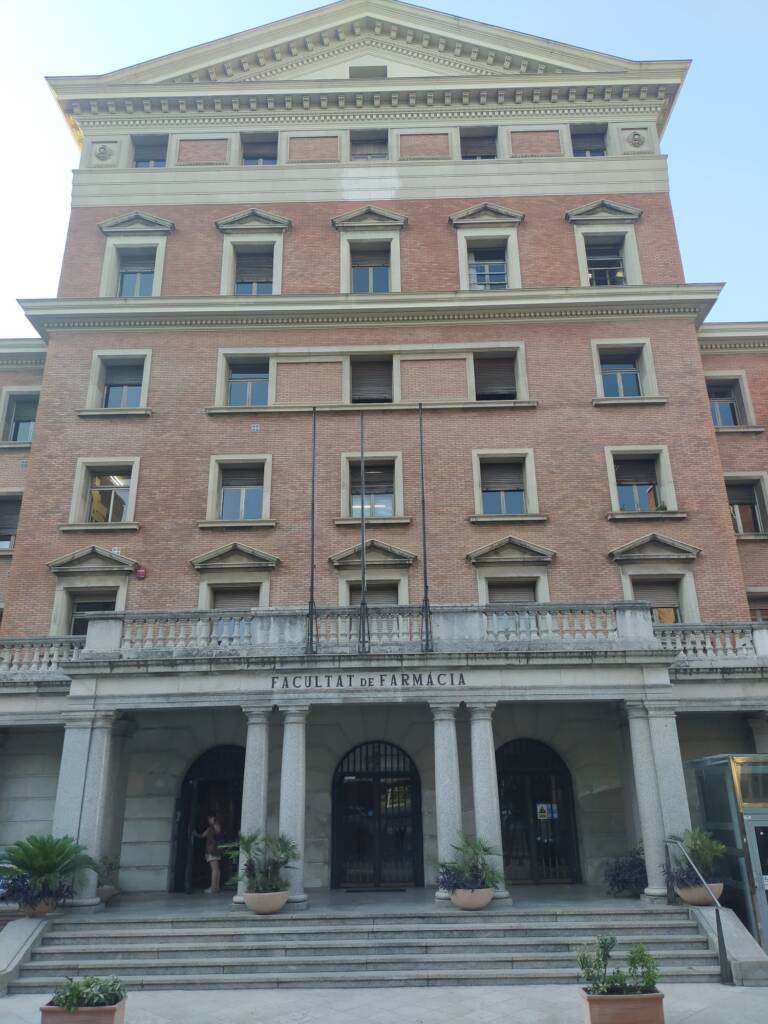
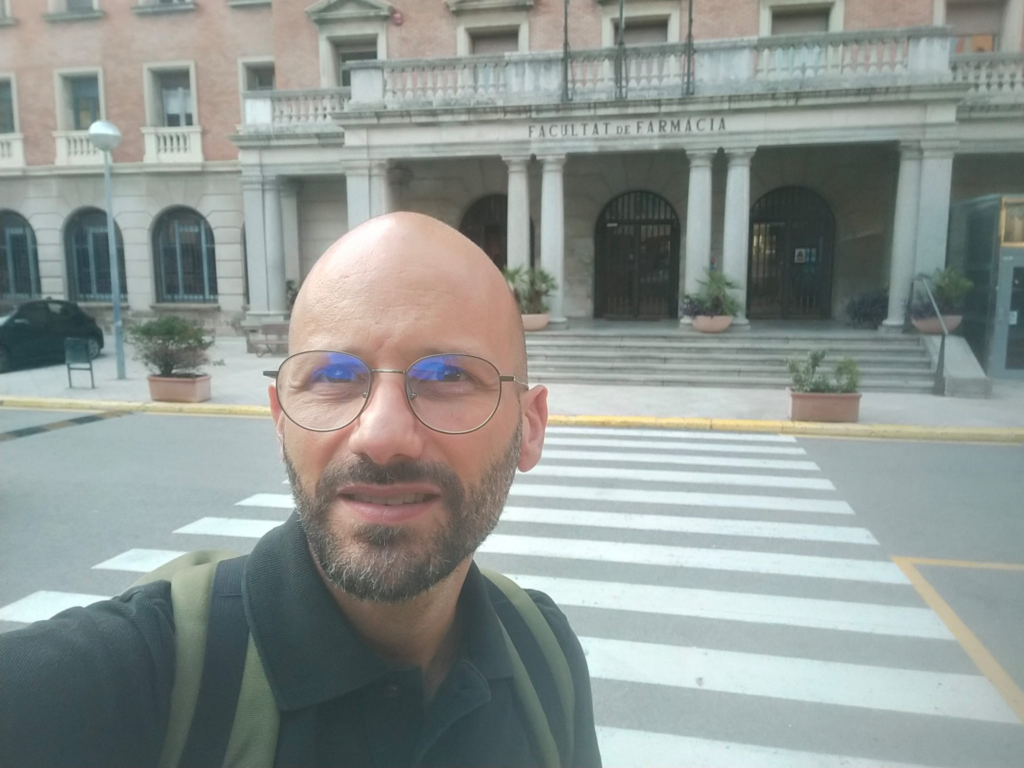
Dr. Giuseppe Felice Mangiatordi (National Research Council – CNR, Bari, Italy) → University of Barcelona, Spain
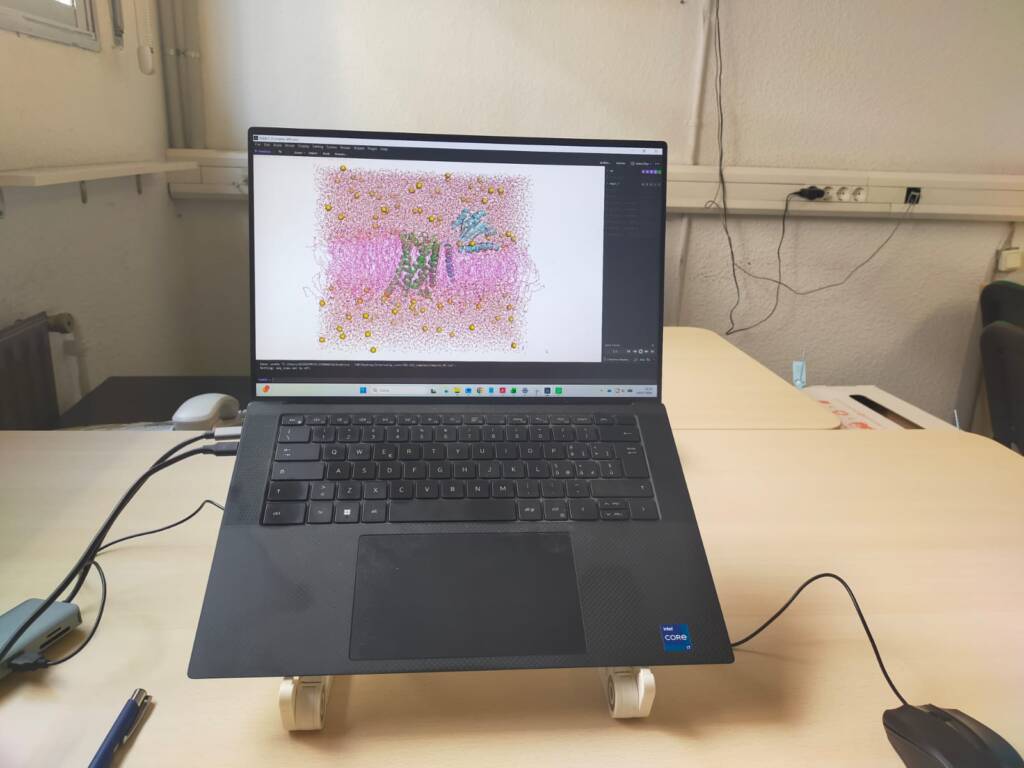
Within the project CAN-DO: A preclinical pipeline for multitarget CB2R/S1R agonists against neurodegeneration, Dr. Mangiatordi worked with Dr. Gemma Navarro’s team on the design of new compounds targeting both the sigma-1 receptor and the cannabinoid CB2 receptor. The mission strengthened the connection between the medicinal chemistry and biology teams, helping to build a more integrated workflow spanning compound design, synthesis and biological evaluation.
Reinis Putrālis (Latvian Institute of Organic Synthesis, Latvia) → Julius-Maximilians-Universität Würzburg, Germany
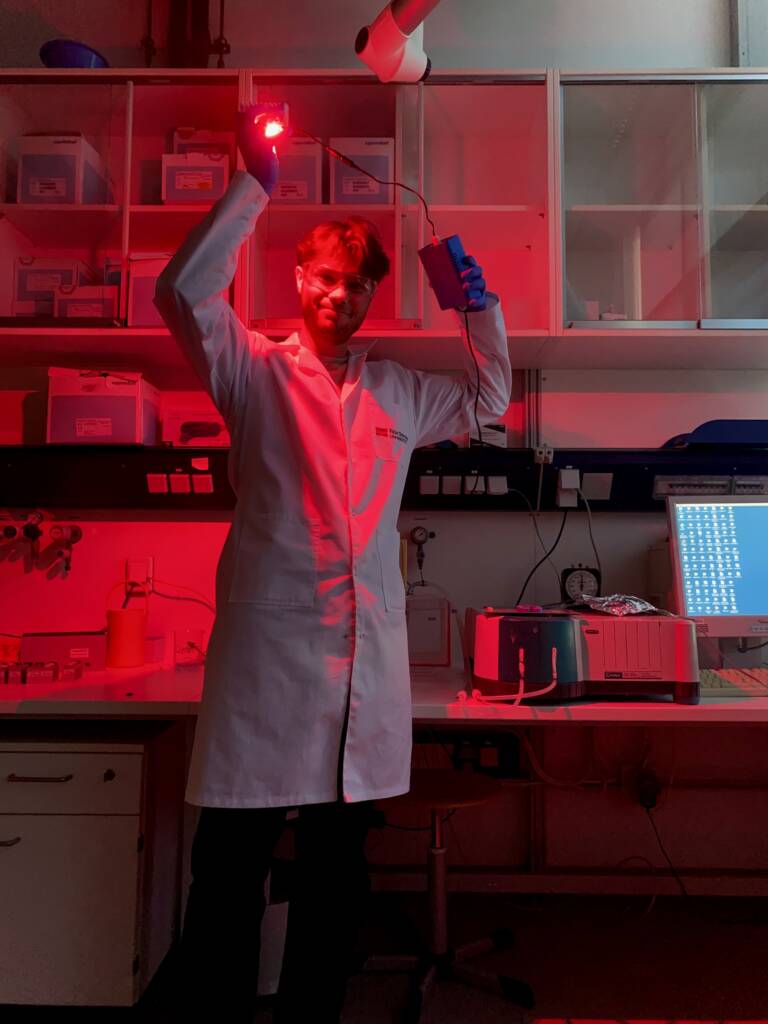
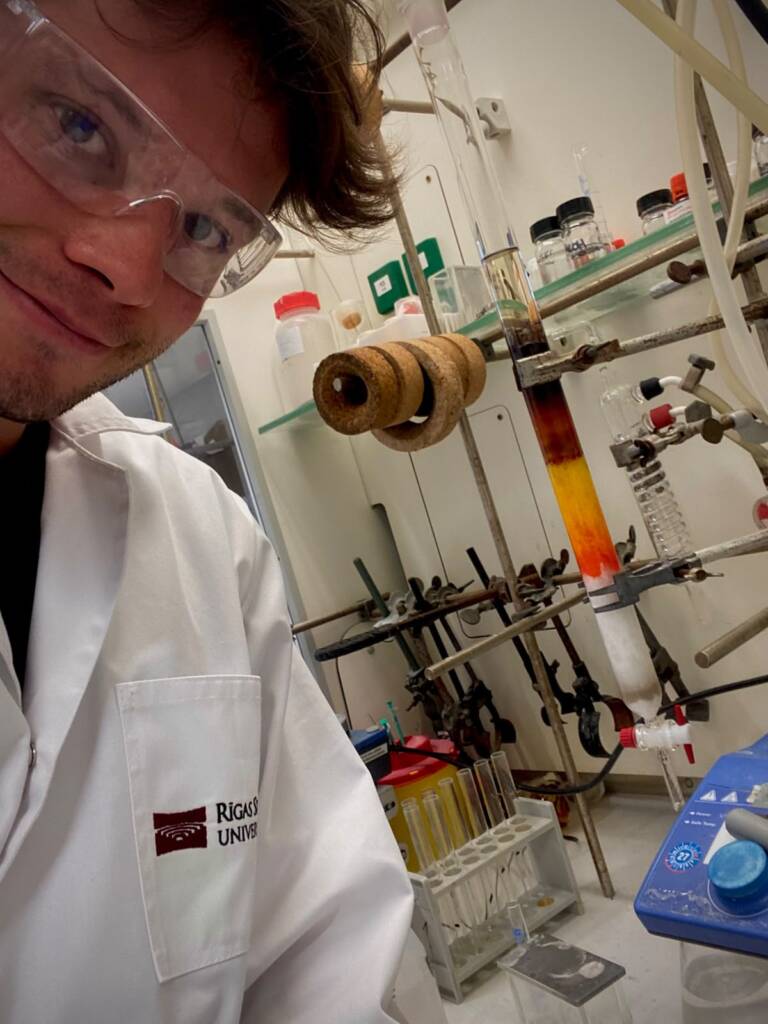
In August 2026, Reinis joined Prof. Michael Decker’s group to investigate newly developed fluorescent styrylpyridinium compounds that can switch between different molecular forms upon exposure to light. He assessed switching efficiency, the stability of individual forms, and whether the process could be repeatedly controlled using different wavelengths. The mission continued a collaboration that began in Year 1, when Prof. Decker visited Riga to explore opportunities for joint research on photoactive compounds.
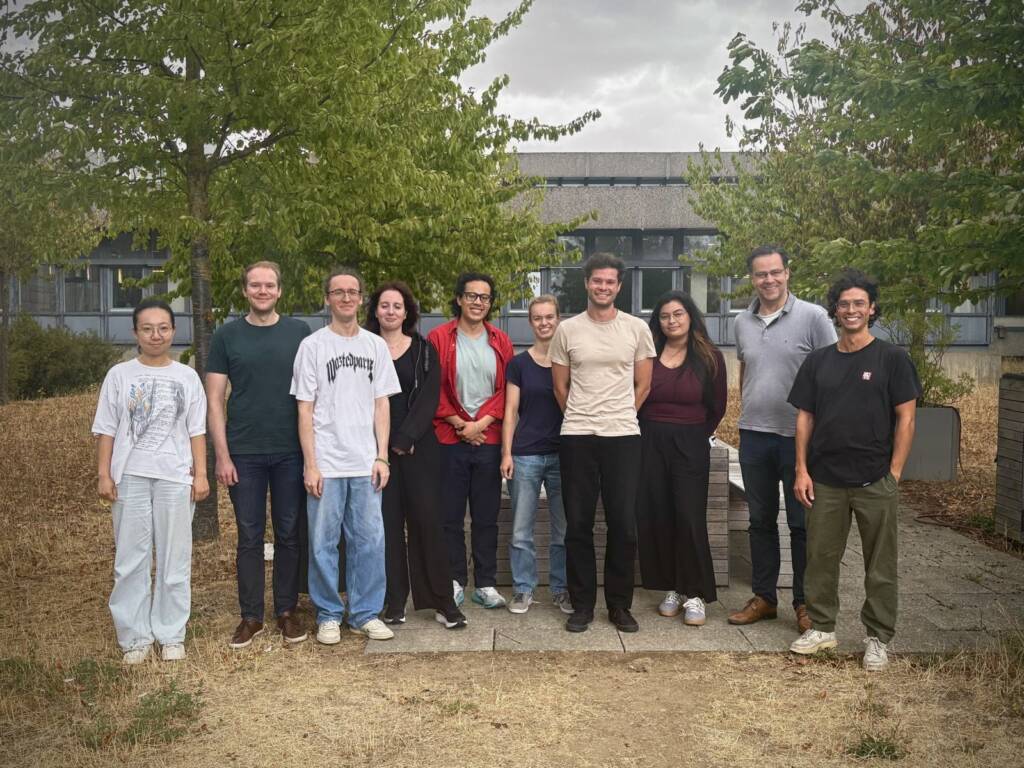
Together, these missions show how SIGMA-1EUROPE connects chemistry, biology and pharmacology across Europe, and how a few weeks in another laboratory can develop into lasting scientific collaborations.
New STSM calls will be announced in the next grant period. Follow the SIGMA-1EUROPE website and social media channels for upcoming opportunities.